Insights
Insights on Precision Agriculture and Farm Monitoring
The Insights section of OCM Agrisystems provides practical information about environmental monitoring, agricultural technology and data-driven farming practices.
As precision agriculture continues to evolve, access to accurate environmental data is becoming essential for efficient farm management. Weather monitoring systems, soil sensors and connected telemetry platforms allow growers to better understand the conditions affecting crop performance.
Our insights explore how modern agricultural monitoring technology can support improved irrigation management, reduce environmental risks and increase productivity across farming operations.
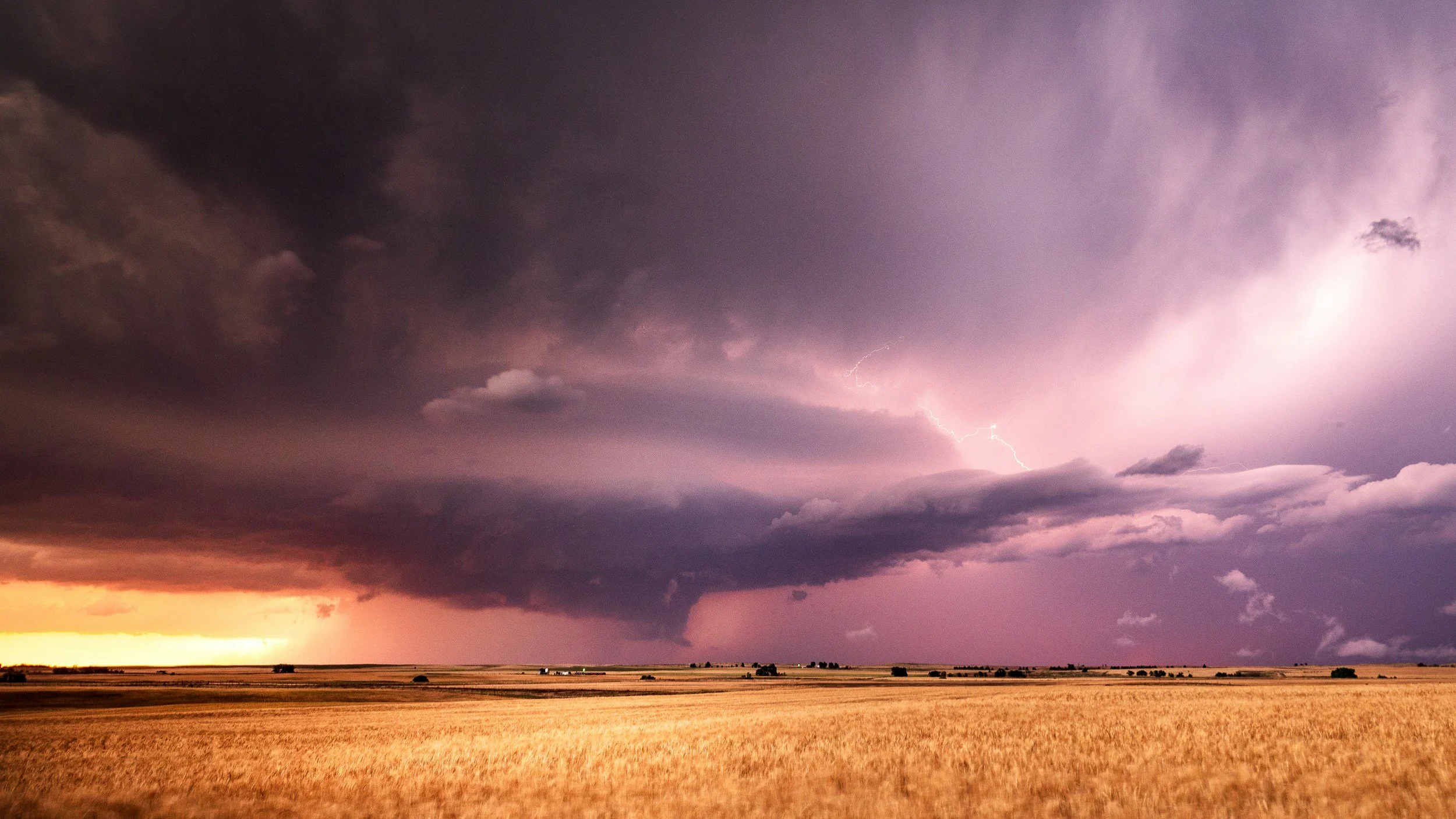
Why Rainfall Can Vary So Much Across a Single Farm
Rainfall varies more sharply over short distances than any other weather parameter. Here is what the research says, and why it matters most on larger properties.
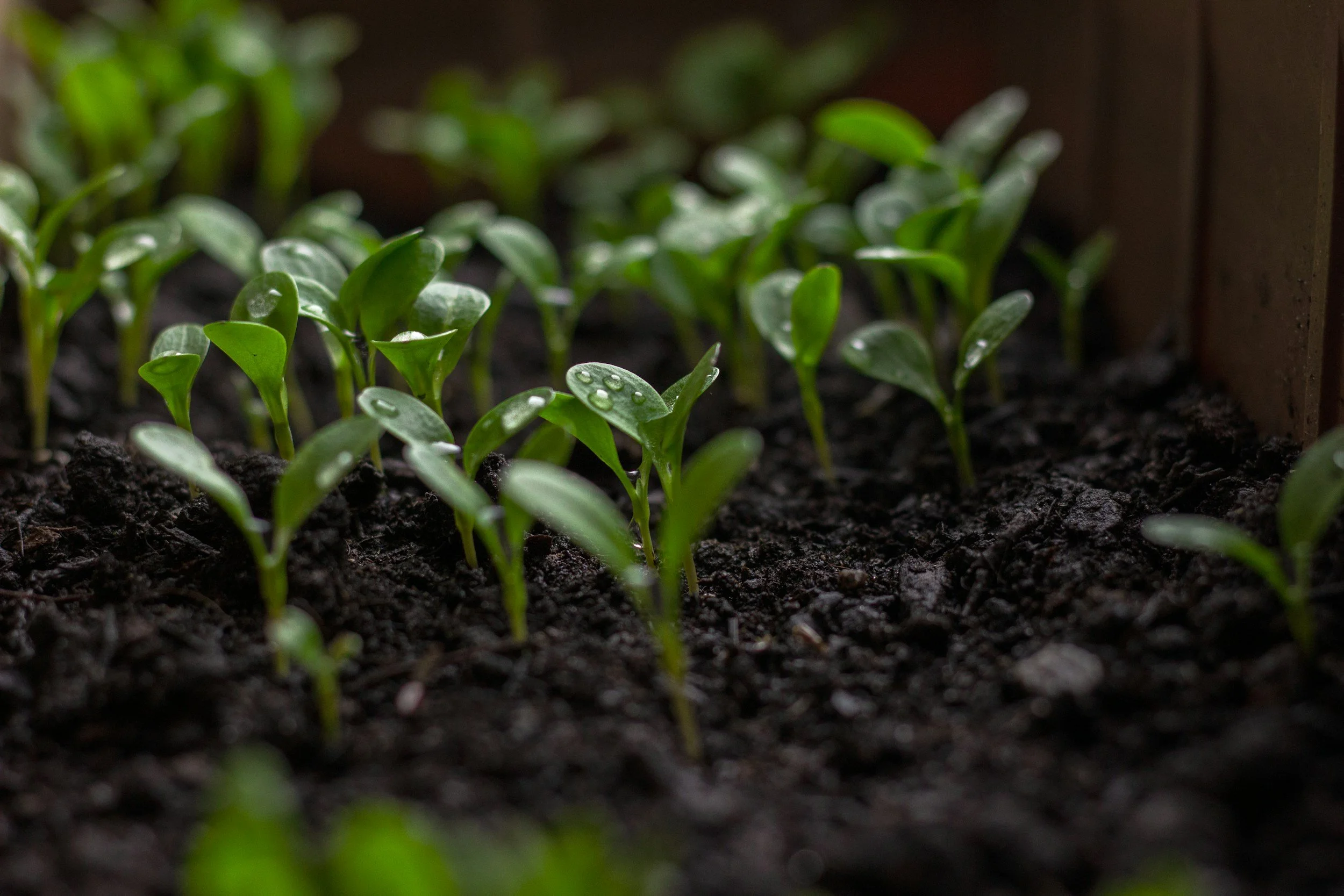
Why Your Planting Date Matters: How Event Logging Drives Your GDD and Water Balance Data
Your GDD and water balance figures only mean what they say if the planting date behind them is accurate. Here is why logging it matters, and how field events fit into the picture too.
Reading Your Forecast: Planning Field Work Around Forecast Pace
Every OCM site carries a 7-day forecast, plus a live comparison of actual rainfall against forecast pace. Here is how to read it and use it for field decisions.
Why Multi-Depth Soil Moisture Monitoring Matters
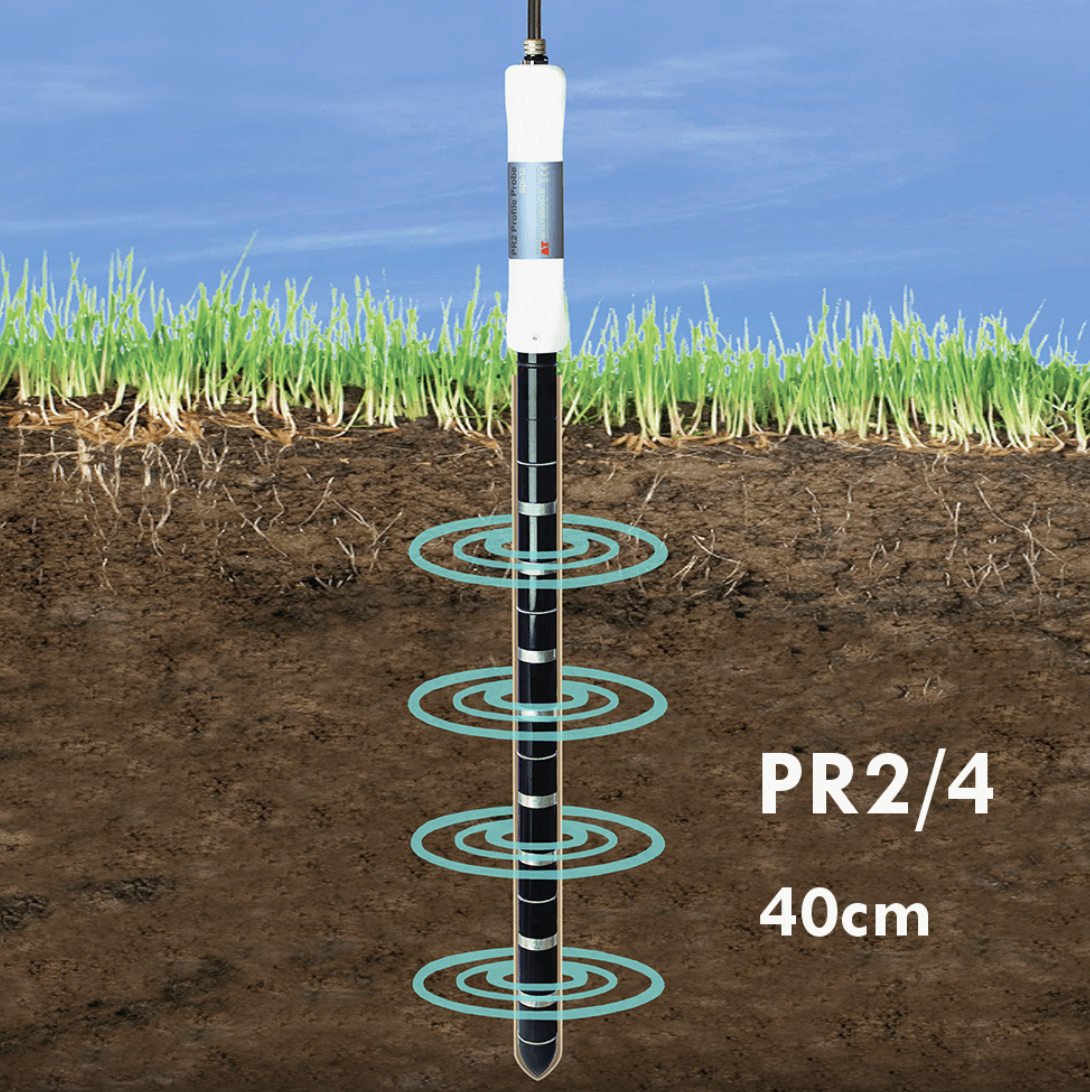
A single soil sensor gives you one data point. Multi-depth monitoring shows how water moves through the whole root zone, and why that changes how you should schedule irrigation.
Reading Your Water Balance Chart: Rainfall vs ET0 Explained
The water balance chart on your OCM dashboard nets rainfall against reference evapotranspiration. Here is how to read it and use it for irrigation timing.
Canola Growing Degree Days and Water Requirements: A 2026 Season Guide
Canola is on every active OCM Agrisystems site this season. Here is how growing degree days and water balance data apply to it, from rosette to pod fill.
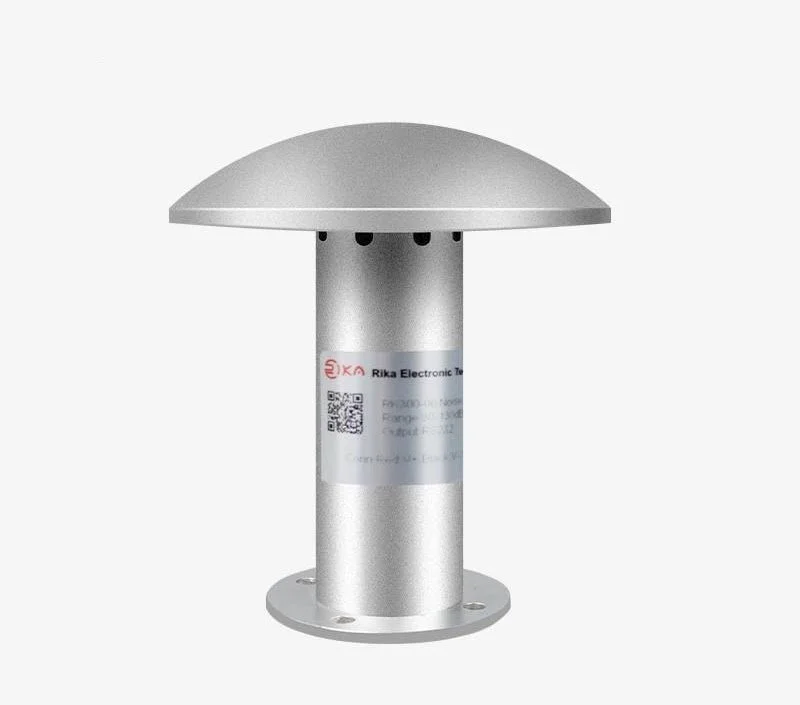
How to Choose a Noise Monitor for Agricultural and Rural Sites
A practical guide to choosing agricultural noise monitoring equipment: accuracy classes, continuous vs attended monitoring, telemetry, power, calibration and reporting.
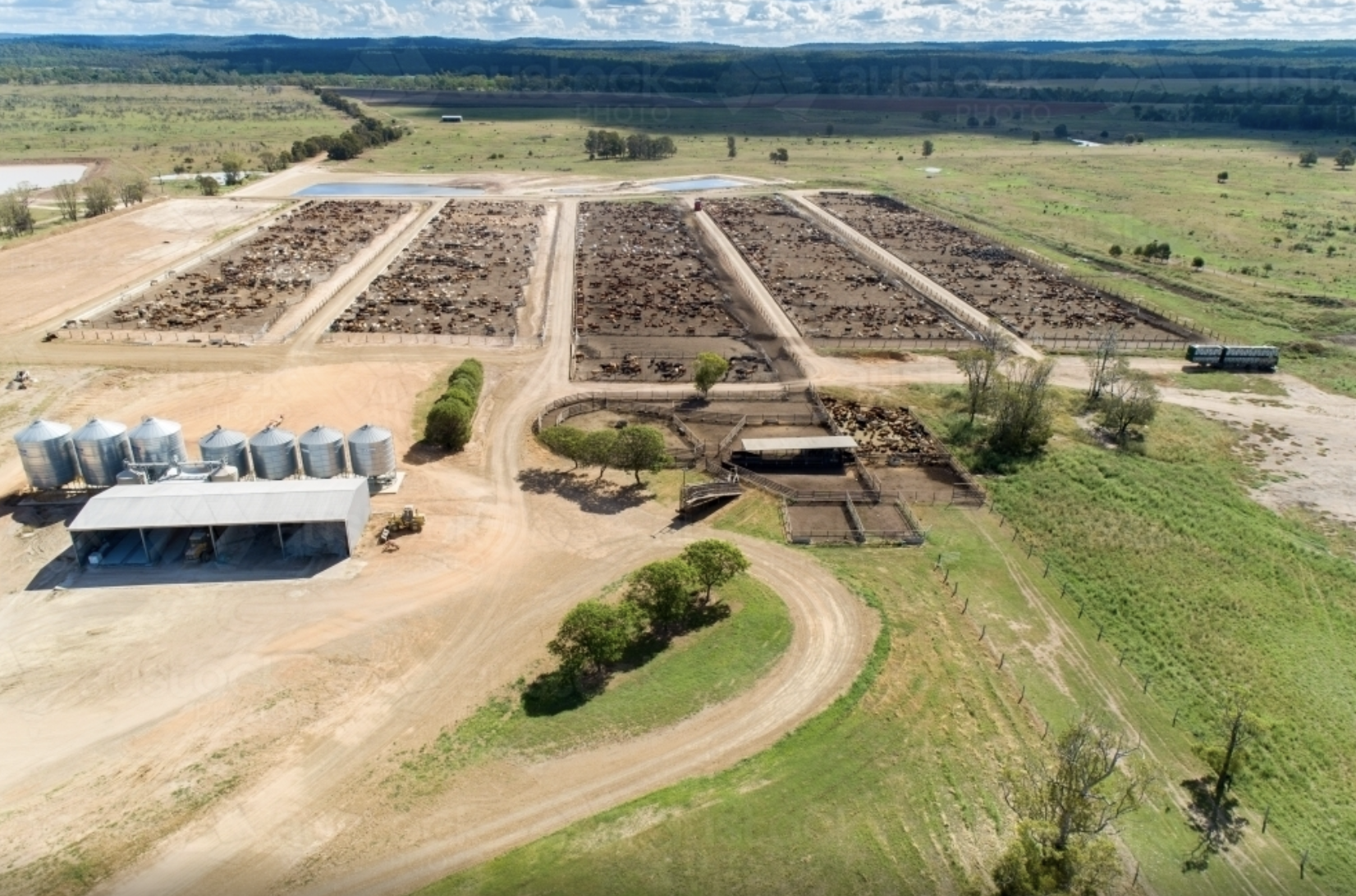
Dust Monitoring for Agricultural Operations: What Farms Need to Know
Dust from harvest, unsealed roads and grain handling is a common source of complaints and compliance risk on farms. Here’s how PM10 monitoring, weather correlation and continuous tracking help manage it.
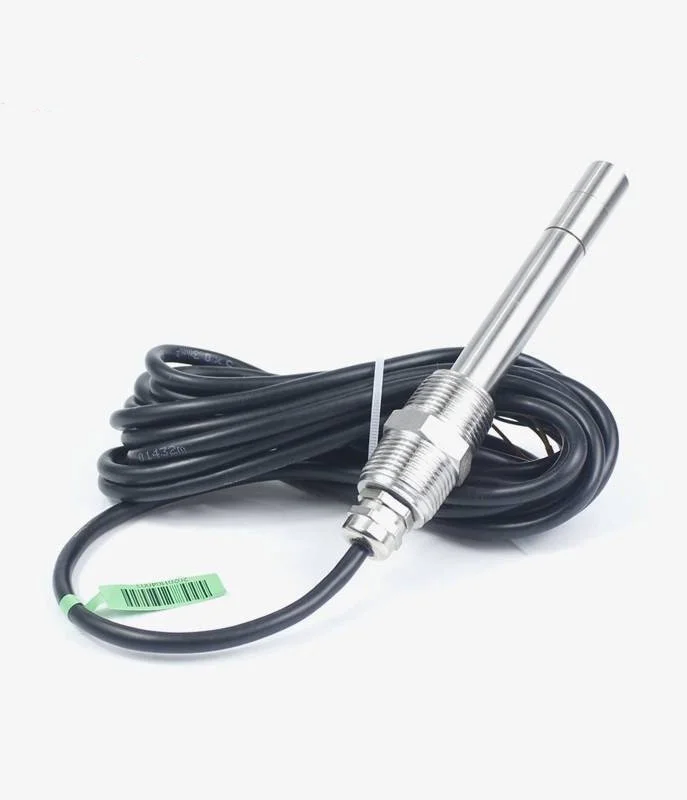
Pump and Flow Monitoring for Farm Irrigation Systems
Tank levels show what’s already happened. Pump and flow monitoring catches leaks, blockages and pump faults as they happen, giving farms time to act before a small fault becomes a costly one.
On-Farm Weather Stations vs the Nearest BOM Station: Why Local Data Matters
The nearest BOM station may be too far away to reflect real conditions on your farm. This guide explains how on-farm weather stations and Bureau of Meteorology data differ, and why combining both gives the most reliable picture for spraying, irrigation and frost decisions.
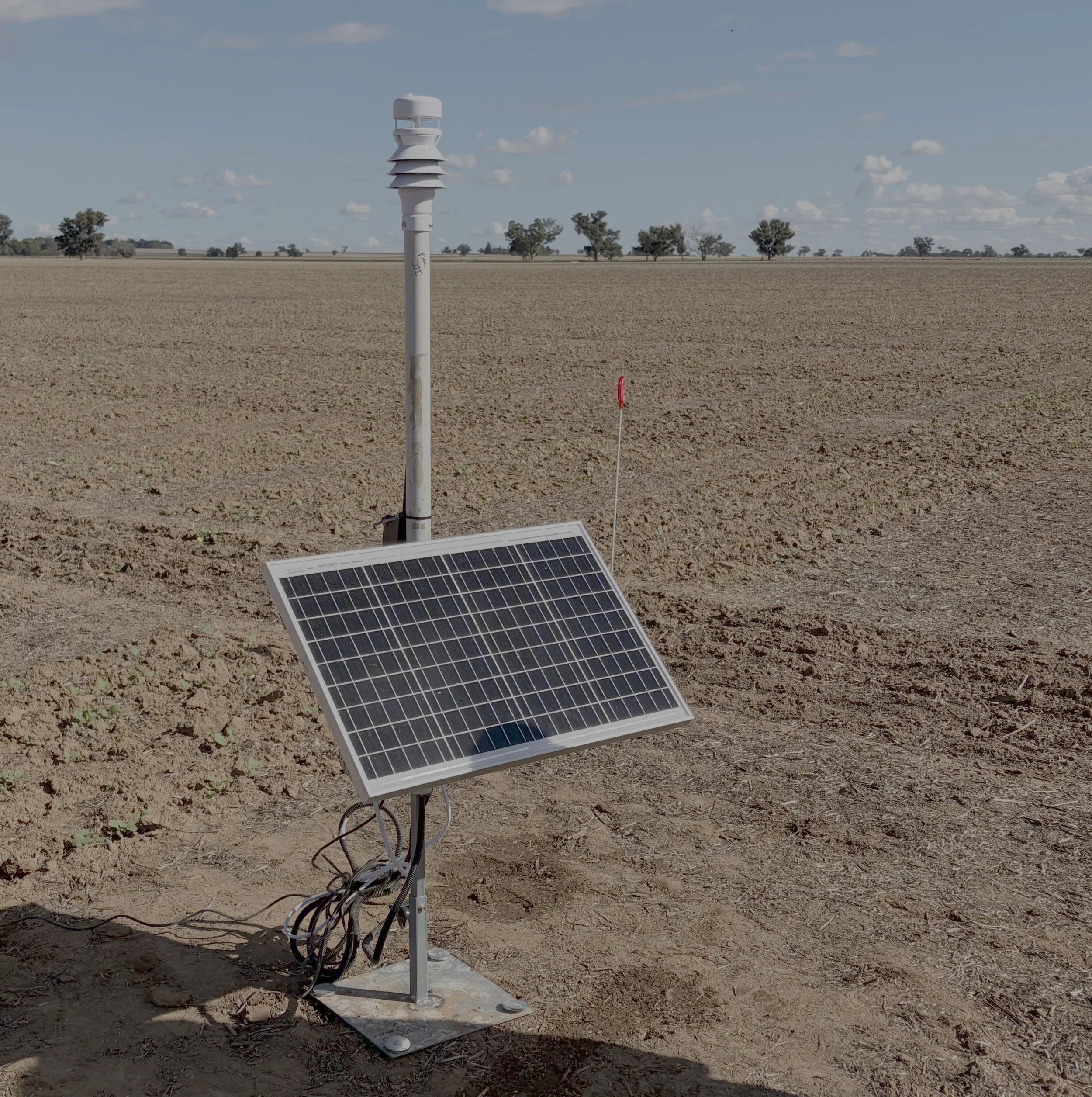
How to Maintain and Calibrate a Farm Weather Station
Weather stations need regular upkeep to stay accurate. This guide covers cleaning rain gauges, checking sensor calibration, maintaining solar power systems and building a simple maintenance schedule for your farm weather station.
Weather Stations for Mining Sites: Dust, Wind and Environmental Compliance Monitoring
Mine sites face strict environmental compliance requirements around dust, noise and weather conditions. This guide explains why on-site weather monitoring matters for mining operations and how it supports blast timing, dust management and regulatory reporting.
Agricultural Noise Monitoring: When and Why Farms Need It
Agricultural operations are increasingly required to monitor and manage noise outputs. This guide explains when farms need noise monitoring, how compliance works in Australia, and what environmental noise monitoring systems measure.
Crop Disease Risk Monitoring: Using Weather Data to Predict Fungal Outbreaks
Weather conditions are the primary driver of fungal disease outbreaks in crops. This guide explains how disease risk monitoring systems use weather data to predict infection events and help farmers respond before outbreaks take hold.
How Many Weather Stations Does My Farm Need?
The number of weather stations a farm needs depends on property size, terrain variability, crop type and what decisions the data will support. This guide explains how to plan a monitoring network that matches your operation.