

Smart Irrigation Using Soil Moisture Sensors
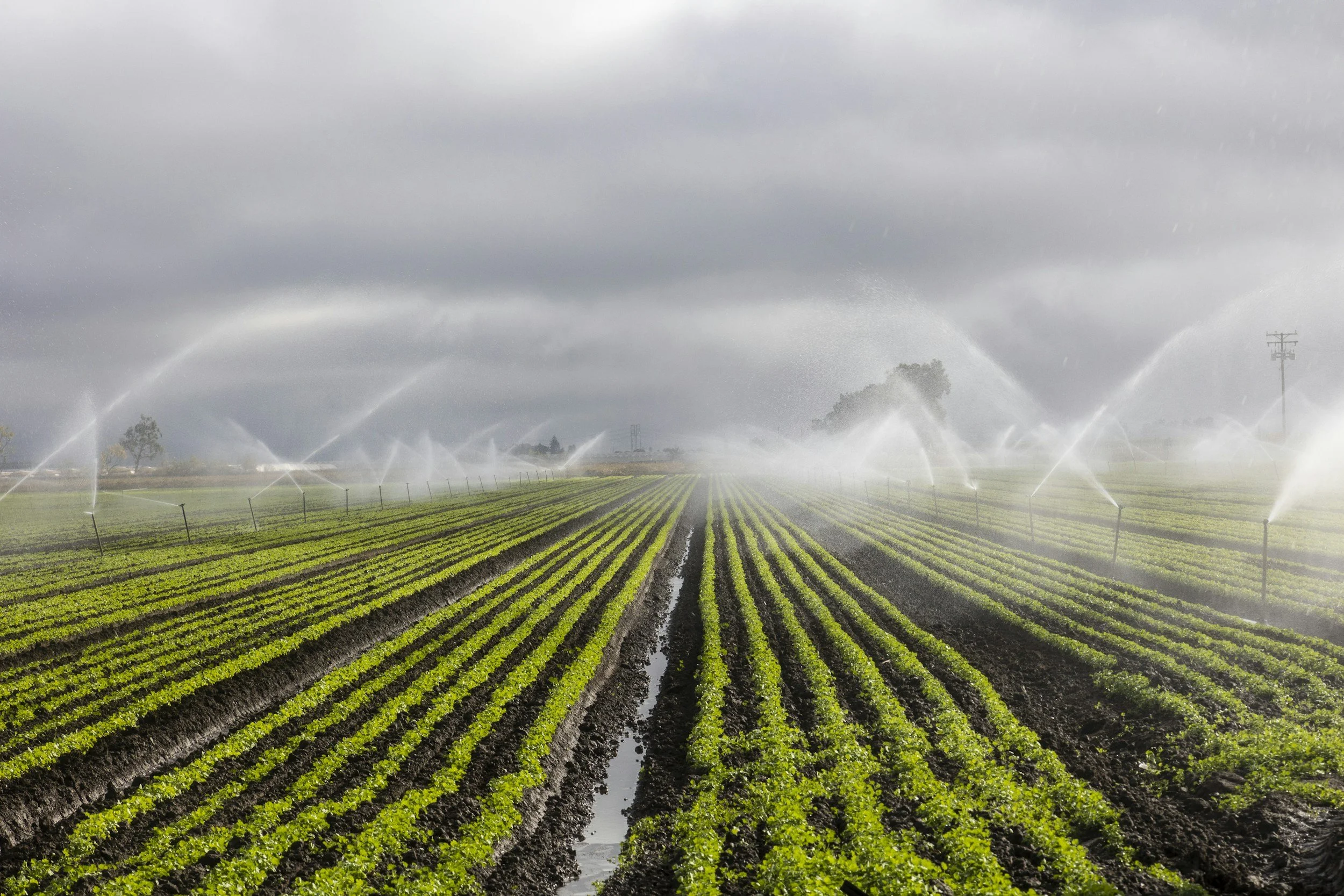
Water is one of agriculture's most valuable and increasingly constrained resources, and as input costs climb and conditions grow more variable, managing irrigation efficiently has become a genuine factor in both profitability and sustainability. Traditional irrigation decisions have leaned on experience, visual assessment or a fixed schedule, and while that can work in stable conditions, it tends to produce overwatering or under-irrigation the moment rainfall, soil type or crop demand shifts. Soil moisture sensors offer a more precise alternative, replacing assumptions with an actual measurement of what's in the ground.
Key takeaways
Too much water causes problems just as real as too little: oxygen loss, disease pressure and nutrient leaching.
Multi-depth probes reveal whether water is reaching the root zone or draining straight past it.
Responsive irrigation, triggered by actual soil conditions, tends to use less water than a fixed schedule without hurting yield.
Soil data paired with weather data gives the fullest picture of what a crop actually needs.
What soil moisture really represents
Soil moisture is simply the water available in the soil for plant uptake, but the relationship between moisture and plant health is more nuanced than that definition suggests. Too little water causes stress, reduced growth and lower yield, but too much causes real problems of its own: oxygen availability in the root zone drops, disease risk rises, and nutrients leach away. Irrigation isn't really about adding water so much as keeping moisture inside an optimal range, one that shifts with soil type, crop and growth stage. Without direct measurement, it's genuinely hard to know where conditions sit within that range, and surface observation alone can be misleading, particularly where moisture varies a lot with depth.
What a soil moisture sensor actually shows you
Soil moisture sensors measure water content directly within the profile, and modern probes are typically installed at multiple depths, commonly around 10cm, 30cm and 60cm, to show how water actually moves through the root zone over time. That reveals things a single surface reading never could: whether irrigation is reaching the intended depth, whether water is draining too fast, or whether deeper roots are getting enough moisture. Sensors transmit readings at regular intervals to a central platform, which farmers can check live or review over longer periods, replacing guesswork with an actual record of how the soil responds to irrigation and rainfall.
Moving from a fixed schedule to a responsive one
One of the biggest shifts soil moisture sensors enable is moving away from a fixed schedule, watering every second day or once a week regardless of what's actually happening in the soil. With real moisture data, irrigation becomes responsive: triggered when moisture drops below a defined threshold and stopped once the target level is reached, so water gets used only when it's actually needed and only in the amount required. Over a season, that shift tends to produce more efficient water use and more consistent crop performance than a schedule ever could.
Using less water without losing yield
Reduced water use is often the most immediate benefit growers notice. Overwatering is surprisingly common in systems without direct feedback, since it's natural to err on the side of caution and apply more than strictly necessary to avoid stress. Understandable, but often inefficient. Once soil moisture is visible, it becomes clear how much water a crop genuinely requires, and irrigation volumes can often come down without hurting yield at all. That saving compounds too, since less water pumped also means lower energy costs, and over time these savings can offset the cost of the monitoring system itself.
Where consistency shows up in crop quality
Beyond water savings, stable soil moisture reduces plant stress and supports more uniform growth, which matters most in high-value crops like vineyards and intensive horticulture. Inconsistent watering tends to show up as uneven growth or variable fruit size and quality, and keeping moisture within a defined range minimises that variation. In crops like wine grapes, where quality is closely tied to water management, this level of control can have a direct, measurable impact on outcomes.
Learning how your soil actually behaves
Continuous monitoring also builds a genuine understanding of soil behaviour over time. Sandy soils drain quickly, clay soils hold water much longer, and even a single property can show real variation between zones. Watching moisture trends over weeks and months reveals how each part of a farm actually responds to irrigation and rainfall, supporting more targeted decisions like adjusting timing or volume zone by zone, and making it easier to spot issues like poor infiltration, compaction or drainage problems before they become bigger headaches.
Pairing soil data with weather data
Soil moisture data gets considerably more useful alongside weather station data, since temperature, humidity, wind and solar radiation all drive the evapotranspiration that pulls water out of the soil. Higher temperatures and wind speed raise demand, while rainfall reduces the need to irrigate at all, and combining the two data sources gives a genuinely complete picture of field conditions rather than a partial one. This combined approach is really the foundation of more advanced irrigation strategies.
Alerts and automation
Most modern systems can alert growers when moisture drops below a set threshold or when conditions suggest developing stress, letting operators respond quickly without watching the dashboard constantly. Some setups go further, automating irrigation entirely with valves controlled directly by sensor data, which isn't always necessary but can meaningfully cut manual workload where it's implemented. Even without full automation, timely alerts alone noticeably improve responsiveness.
Getting the implementation right
A few practical details matter for getting genuinely useful results. Sensor placement is critical: probes belong in representative parts of the field, not unusual zones that don't reflect typical conditions, and depth selection needs to match the crop's actual root zone. Calibration matters too, particularly in soils with unusual characteristics, since site-specific calibration can meaningfully improve on factory settings. And it's worth allowing real time to interpret the data, since patterns become clearer over weeks and months, and the system's value grows the longer it runs.
The bottom line
Smart irrigation isn't about adding complexity, it's about removing uncertainty. Measuring what's actually happening beneath the surface gives growers the clarity to respond to real conditions rather than assumptions, improving both efficiency and outcomes. Paired with weather data and folded into a broader monitoring system, soil moisture sensors become one of the more genuinely useful tools in modern irrigation management.