

Solar-Powered Farm Sensors: What You Need to Know
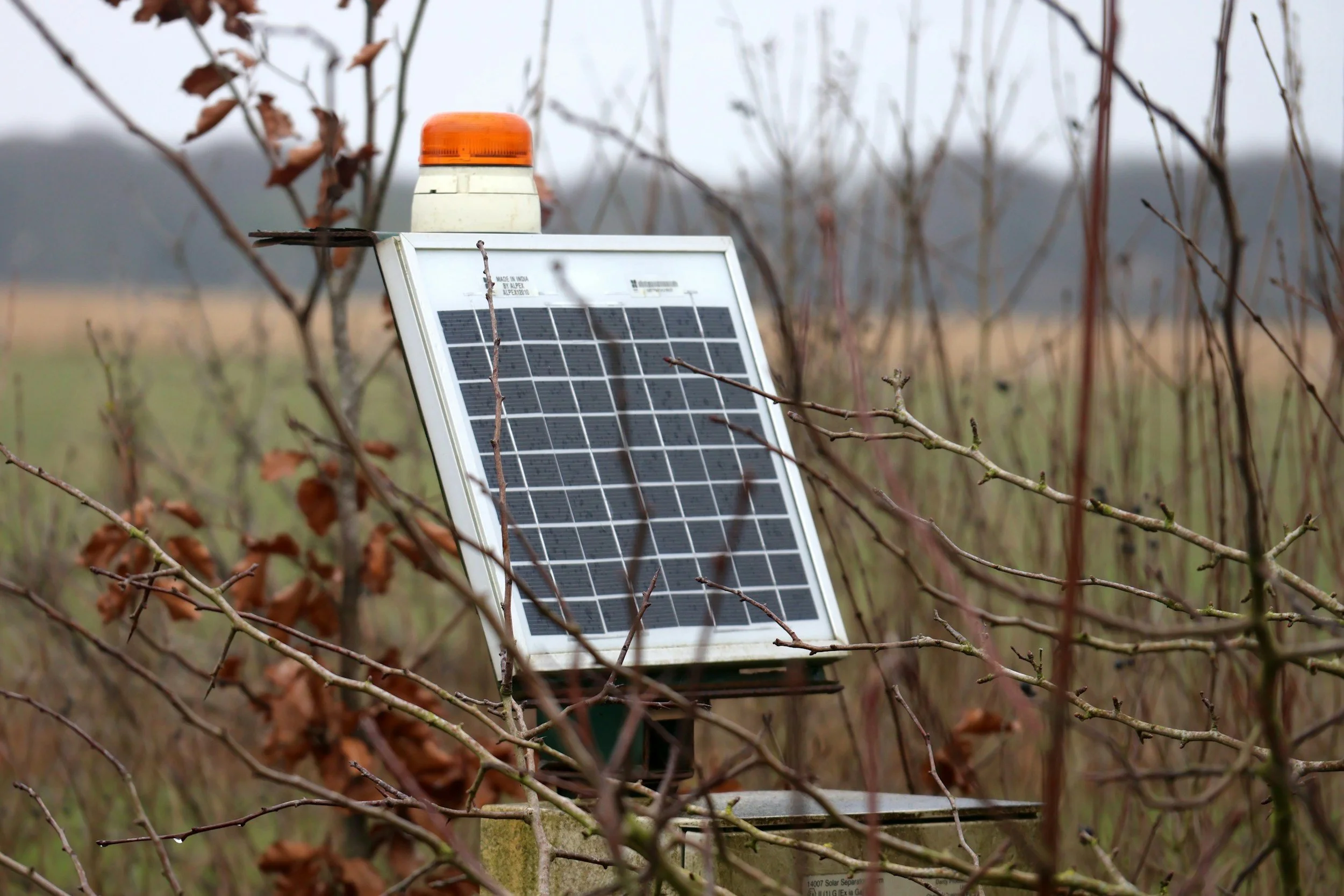
Power is one of the biggest practical obstacles in agricultural monitoring. Farms need data from places that are genuinely far from infrastructure, where running mains electricity is impractical or simply too expensive to justify. Solar power is what makes remote monitoring possible in these spots, letting a station collect continuous data with no wiring and minimal maintenance. Done well, a solar system can run reliably for years. Done poorly, it tends to fail at the worst possible moment, usually the exact week you needed the data most.
Key takeaways
Underestimating power consumption is the single most common cause of solar system failure.
Panels need sizing for winter performance, not summer performance.
Cold weather reduces battery capacity right when solar generation is already at its lowest.
Data transmission is usually the most energy-hungry part of the whole system.
Why solar makes sense on a farm
Agricultural monitoring is inherently spread out, with sensors sitting in paddocks, vineyards, orchards or remote water points, often well away from any building or grid connection. Solar lets each monitoring point run independently: a small panel charges a battery through the day, and that stored energy carries the system through the night and through low-light periods. It removes the need for trenching cable or grid connections entirely, cutting both installation cost and complexity, and makes it realistic to deploy a station quickly or relocate it later if needed.
What's actually inside a solar monitoring system
These systems look simple from the outside, but rely on several components working in balance: a solar panel generating energy during the day, a battery storing it, and the sensors and communication hardware drawing it down as they operate. The critical thing is that generation has to stay ahead of consumption over time, or the battery eventually runs flat and the system stops. That balance isn't fixed year-round either, since seasonal shifts in sunlight, temperature and weather all affect performance, which is exactly why careful sizing matters more than it might seem at first glance.
Power consumption is the part people underestimate
Underestimating consumption is one of the most common reasons solar systems fail. Not every component draws power the same way: a cellular communication module can pull significant current in short bursts while transmitting, while a genuinely low-power sensor barely registers by comparison. Transmission frequency matters just as much, since sending data every few minutes costs far more energy than sending it hourly. More frequent updates give richer detail, but that has to be weighed against what the system can actually generate. Good design usually comes down to minimising unnecessary draw: sensible transmission intervals, low-power sensors where possible, and communication protocols chosen with energy budget in mind.
Sizing the panel correctly
The panel has one job: generate enough energy to cover both immediate use and battery charging, and that job gets harder in winter, when days are shorter and sunlight weaker. Systems that perform comfortably through summer can start to struggle once winter arrives, and extended cloudy stretches only add further strain on the battery. That's why panels are generally sized with a safety margin built in, so the system keeps running through less-than-ideal conditions rather than just scraping by on a sunny day. Placement matters too: panels need clear sun exposure, away from shading trees or structures that quietly erode performance over the day.
Choosing the right battery
The battery is the buffer, storing surplus daytime power and releasing it when the sun isn't cooperating. Capacity determines how long a system can ride out low sunlight: bigger batteries buy more resilience but add cost and bulk. Lithium-based batteries are the standard in modern systems for their efficiency and long cycle life, while lithium thionyl chloride cells sometimes suit extremely low-power, non-rechargeable applications. Temperature is worth factoring in too, since cold weather reduces available battery capacity right when solar generation is already at its lowest, a combination that catches out systems not designed with cooler climates in mind.
What reliability actually looks like in the field
Outdoor conditions are unpredictable, and reliability comes down to more than just component specs, it's about how the whole system handles variation. A well-designed setup keeps running through low sunlight, temperature swings and changing workloads, which takes the right combination of panel capacity, battery storage and sensible power management. Poorly designed systems tend to fail quietly during early mornings or after a run of cloudy days, leaving gaps in the data that aren't always obvious until you go looking for them. Planning around worst-case conditions, not just an average day, is what separates a system you can trust from one that occasionally leaves you guessing.
Matching sensors to what the power budget allows
Sensor choice has a real impact on overall performance. Low-power protocols like SDI-12 suit solar deployments well, since sensors stay dormant until queried and draw very little in between. Higher-power setups, like continuously operating RS485 systems, can offer real performance advantages but need a bigger panel and battery to back them up. Many systems end up mixing sensor types, balancing power efficiency against the capability actually needed at each point.
The trade-off between data frequency and battery life
Communication is usually the most power-hungry part of the whole system. Cellular transmission is convenient but draws noticeably more power in short bursts, and cutting transmission frequency can meaningfully improve efficiency without hurting usability much. Sending data every fifteen minutes instead of every five, for example, often still provides plenty of insight for most applications while measurably easing the power budget. Some systems also buffer readings locally and transmit in batches, cutting the number of transmission events further. Getting this balance right is a core part of designing a system that actually lasts.
Keeping a solar system running for years
Low maintenance doesn't mean no maintenance. Panels need to stay clean and clear of debris that can quietly cut efficiency, and connections are worth checking periodically for corrosion or looseness. Battery performance is worth tracking over time too, since even long-lived batteries degrade gradually and eventually need replacing. Keeping an eye on system performance generally catches developing issues well before they turn into an actual failure.
The bottom line
Solar-powered sensors make monitoring possible in places that would otherwise be genuinely difficult to reach, removing the need for external power infrastructure and giving growers real flexibility. But that reliability isn't automatic. It comes down to design decisions that aren't always visible from the outside: panel size, battery capacity and power management all shape whether a system runs cleanly for years or leaves gaps in the data right when it matters most.